Ski to your door or take a short walk with your boots on? In Deer Valley’s East Village, that small difference changes your daily rhythm and the way guests experience your home. If you are weighing a second home or investment property here, you deserve clarity on what ski-in/ski-out really means, how access works, and where the tradeoffs show up. This guide breaks it down so you can compare listings with confidence and avoid surprises. Let’s dive in.
What “ski-in/ski-out” really means
Not every slope-front address functions the same. Think of ski access as a spectrum rather than a single label.
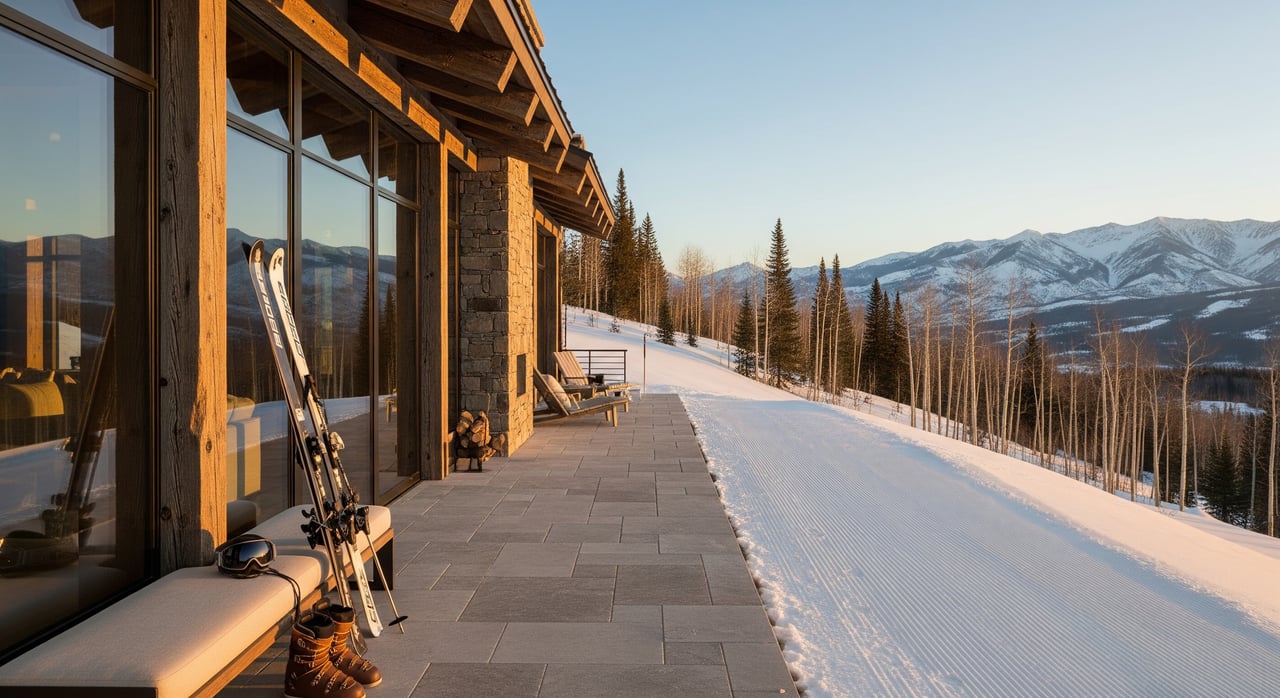
- True ski-in/ski-out: Your door or building entrance meets groomed skiable terrain. You clip in, slide to a run, and later ski back to the building under normal operating conditions without removing skis.
- Ski-access or lift-adjacent: You walk a short distance along a plowed path, stairs, or a flat connector, typically tens to a few hundred yards, to reach a lift or designated ski trail.
- Walk-to-slope or shuttle: You are near a base area but need a longer walk, shuttle, or tram from the front door. Many buyers do not view this as true ski-in/ski-out.
Why this matters: small differences, like a 25-foot groomed connector versus a 150-foot plowed walk, can change owner satisfaction and rental performance. Seasonal variables also play a role. Fresh snow, grooming patterns, and late-season melt can shift a property’s day-to-day usability.
How access works in East Village
East Village is a collection of on-mountain lodging and residential properties on the eastern side of Deer Valley’s terrain. Access varies by building, parcel, and orientation.
Common property types
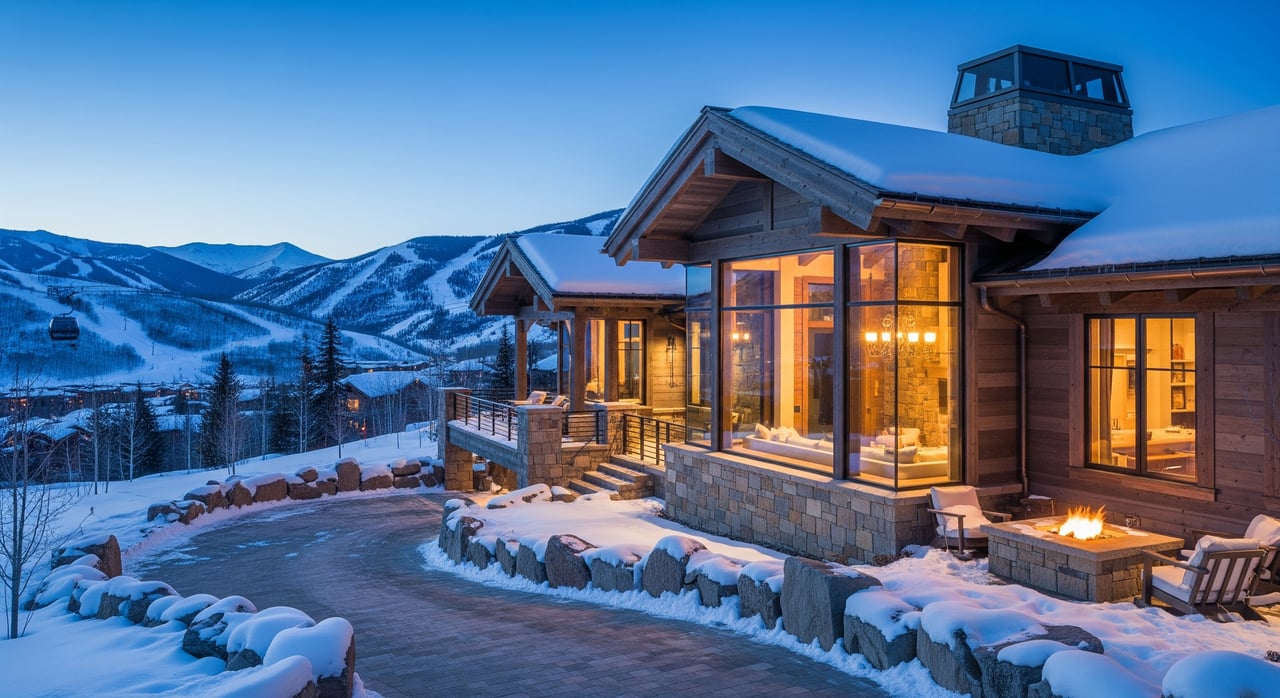
- Slope-front condos and townhomes: Often marketed as ski-in/ski-out. Many include direct ski paths, ski lockers, and sometimes valet services. Access may be through a signed connector that drops to a building’s ski-in point or through a private trail easement tied to the building.
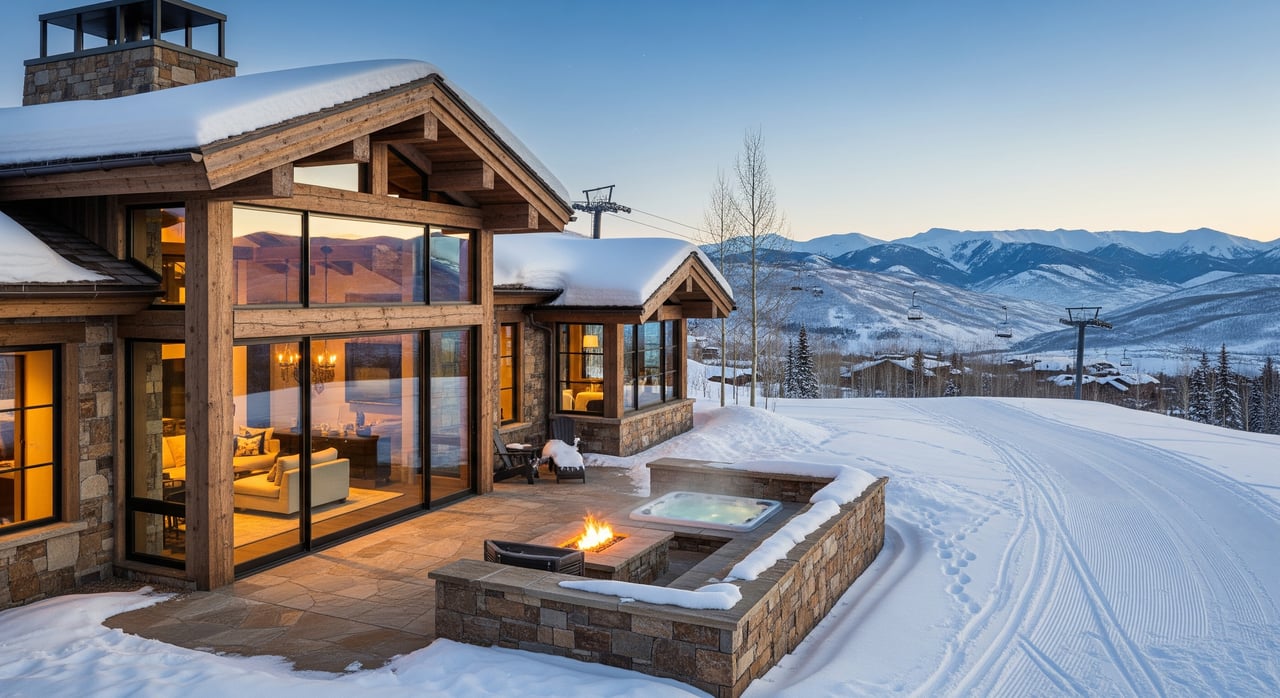
- Luxury single-family homes: Some sit on named runs with private trails or ski bridges. Others perch on ridgelines with views and use a short walk or quick drive to reach lifts.
- Lodges, hotels, and fractional residences: Typically cluster near base areas and offer mat-to-groomed-run access, plus amenities like ski valets and shuttle connections.
Features that shape day-to-day convenience
- Designated ski easements and connectors: These recorded corridors are the backbone of true ski-in/ski-out. Their existence and maintenance determine whether you can actually ski from your building.
- Ski valets and lockers: Access feels easier when you can grab tuned gear, warm boots, and glide out. These amenities are common at higher-end East Village properties.
- Plowed or heated walkways: Important for non-ski days and for guests managing gear and kids.
- Building orientation: Slope-facing units may allow a downhill glide out but require a different route or short walk to return.
- Lift proximity and type: Being close to a higher-capacity lift typically improves the experience and can bolster rental appeal. Being next to a low-capacity connector can feel different even when the unit is slope-front.
Seasonal and operational factors
- Grooming patterns: Some connectors are groomed daily. Others are only passable with ample snowpack.
- Temporary closures: Race events, grooming work, or safety operations can reroute access. A single narrow connector can be impacted on busy or storm days.
- Spring conditions: Snow bridges and shallow connectors may thin or disappear late season, turning a ski-back into a short walk.
The key tradeoffs: access, views, and rental potential
You face a classic balance in East Village. The right fit depends on how you plan to use the property and what guests value most.
Slope access
- Upside: Door-to-door skiing is a clear convenience. Properties with minimal friction often see stronger owner satisfaction and higher peak-season rates.
- Tradeoffs: Expect higher purchase prices and HOA or maintenance costs, more exposure to skier traffic and equipment noise, and fewer long-range views.
Views
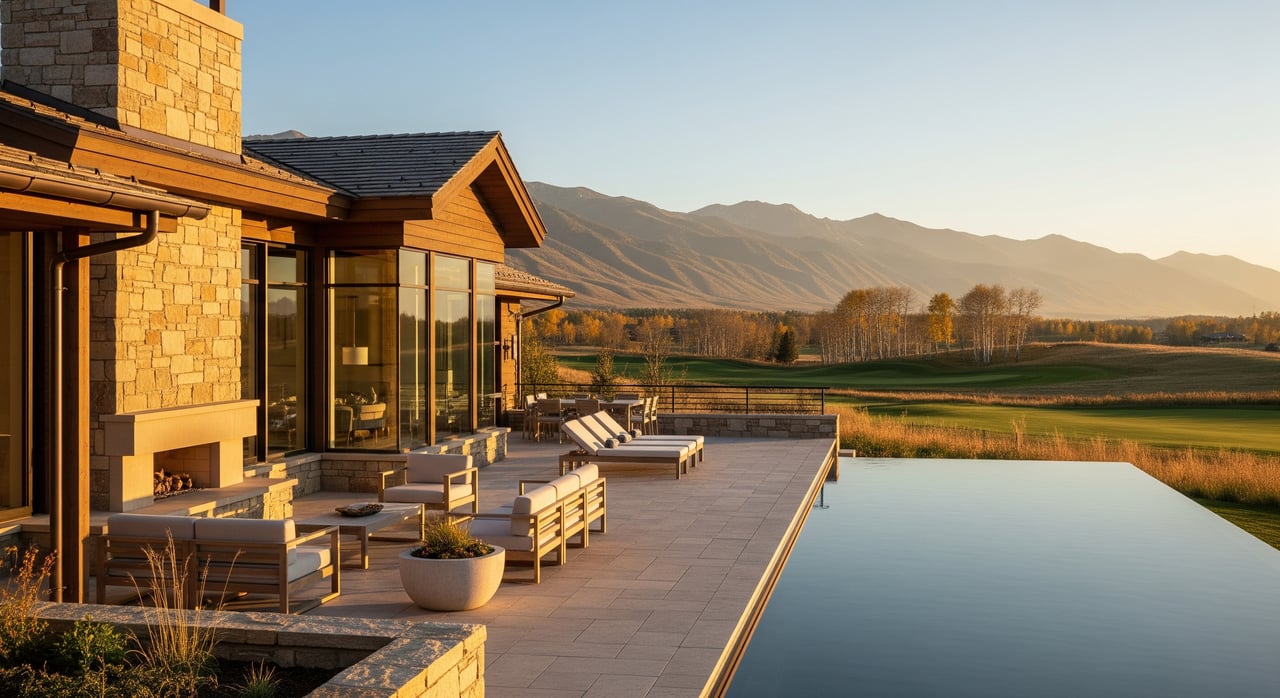
- Upside: Ridge and elevated homes often deliver wide vistas and sunsets that shine year-round, not just in winter.
- Tradeoffs: You may trade convenience for a short walk or drive to the lifts. In treed slope-front spots, views can change as vegetation grows.
Rental potential
- What helps: True, easy ski-in/ski-out access, strong amenities like ski valets and onsite dining, and proximity to base services can raise occupancy and average daily rates in winter.
- What to watch: HOA or local rules can limit short-term rentals. Winter revenue is concentrated in peak dates. Management fees, utilities, resort taxes, and capital reserves reduce net income.
East Village pitfalls to avoid
- Marketing label vs reality: Confirm the exact connector and whether it is a groomed run, a private easement, or a plowed path. Ask how often it is maintained.
- Ski-back feasibility: It is not enough to ski out in the morning. Verify that you can reliably ski back under typical afternoon conditions.
- Which lift matters: Proximity to a higher-capacity base lift can improve daily flow and rental appeal more than a nearby low-capacity connector.
- Private vs shared corridors: Shared easements can be busy or limited. Private easements may include maintenance obligations written into HOA documents.
- Noise and traffic: Slope-front addresses bring lift noise, grooming equipment, and skier flow. Some buyers choose uphill or treed settings for more privacy.
- Parking and loading: Guest parking can be tight. Check owner spaces, guest loading zones, and winter rules.
- Access during storms: Evaluate driveway grades, plowing plans, and emergency vehicle access.
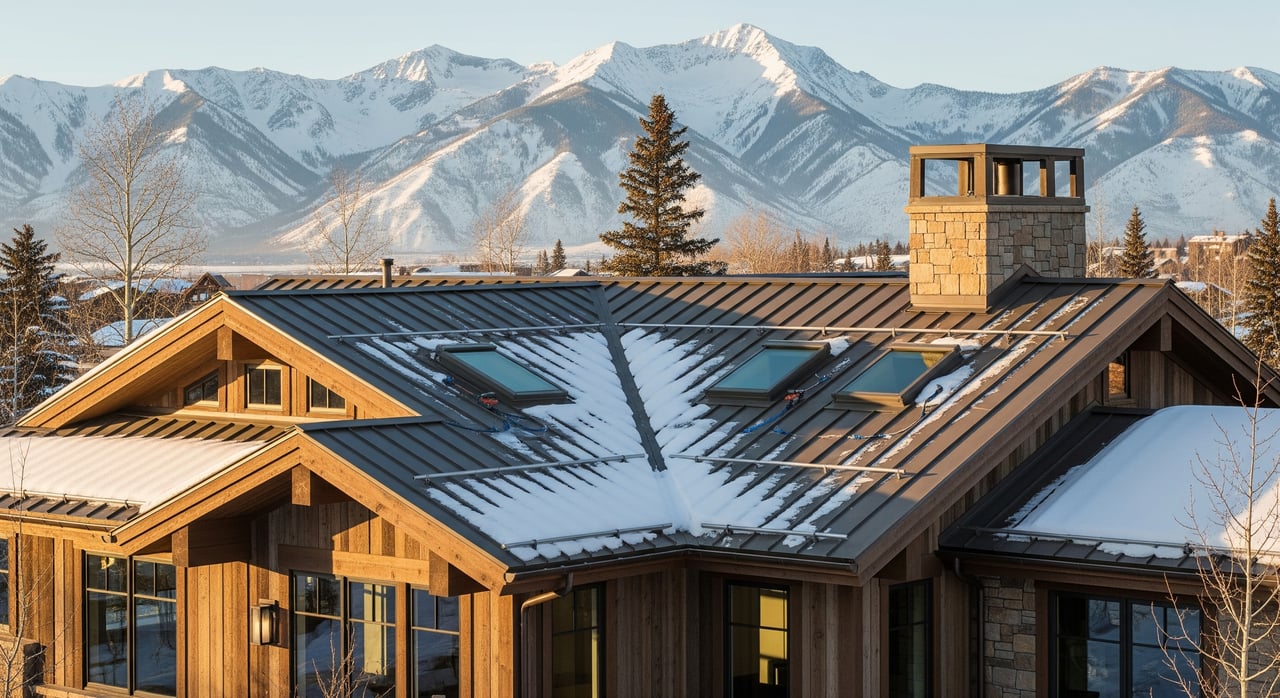
- Insurance and maintenance: Slope-edge properties can see higher snow loads, ice dams, and weather wear. Understand roof and snow management systems.
What to verify before you buy
Use this checklist during due diligence so you can confirm the access story and protect your investment.
Property and access verification
- Walk the route in peak winter and again during shoulder season. Test both the ski-out and the ski-back.
- Confirm the exact connector on current resort trail maps and whether it is groomed consistently.
- Ask for recorded easements and any agreements that govern the ski corridor or access path.
- Identify who maintains plowed walkways, bridges, and private connectors. Clarify responsibilities between the HOA, resort, and adjacent owners.
HOA, legal, and regulatory
- Obtain HOA bylaws, CC&Rs, and rental policies. Look for minimum stays, black-out dates, and any required management companies.
- Confirm current short-term rental permitting where applicable. Ask about permit transferability if you plan to rent.
- Review reserve studies and planned capital projects like roofs, siding, and ski-bridge repairs.
Operational and financial
- Request historical rental statements for the last two to three seasons from the operator managing the unit.
- Cross-check performance with market data from reputable short-term rental sources for the immediate area.
- Map seasonal demand around holiday weeks and major events that can affect occupancy.
Physical and safety
- Inspect snow-related systems: heated steps, roof snow guards, ice dam mitigation, and snow load design.
- Ask about emergency access and evacuation plans for winter storms.
- Verify parking allocations and guest parking rules during peak season.
Lifestyle and experience
- Test real-world logistics. Try grocery runs, dining plans, and transport on busy weekends. Slope-front living is about convenience for skiing, but other services may still require short trips to base areas or town.
- Talk with on-site staff, neighbors, and local property managers about guest flow and noise during peak weeks.
How to compare two “ski-in/ski-out” listings
When two properties look similar online, use these side-by-side questions to find the better fit.
- How many steps or yards from the locker room or garage to groomed snow on a typical morning?
- Is the return route groomed, and can you ski back when lifts close in the afternoon?
- Which lift is closest, and what is its capacity and role in daily mountain flow?
- Are access corridors private or shared, and who maintains them?
- What are the HOA rental rules, and do actual rental statements align with your goals?
- Which delivers the experience you value most: instant slope access, wide views, or stronger rental mix?
Build your plan
Your best move is to verify the exact access and the operating details that make a property truly ski-in/ski-out. That means walking the connectors, reviewing easements, reading HOA rules, and confirming rental performance with actual statements. A clear plan protects your lifestyle goals and your return.
If you want local guidance, private previews, and help coordinating diligence with HOAs, resort teams, and managers, connect with Randi Thompson. You will get responsive support, neighborhood insight, and a professional process from search to close.
FAQs
What does “true ski-in/ski-out” mean at Deer Valley East Village?
- It means you can clip in at or near the door, slide onto groomed terrain, and later ski back to the building under typical operating conditions without walking.
How do I confirm a listing’s ski-back route actually works?
- Walk and ski the route during peak winter, look for a groomed connector on current trail maps, and ask for recorded easements and maintenance details.
Do slope-front condos always have better rental performance?
- Not always, since HOA rules, permitted rental use, unit condition, amenities, and management quality all affect occupancy and rates.
Are ridge or view homes worth the tradeoff in access?
- If you value panoramic views and year-round enjoyment, a short walk or drive to the lift can be a fair trade for daily scenery and privacy.
What should I look for in HOA documents for East Village properties?
- Focus on rental restrictions, maintenance duties for ski corridors, reserve studies, and any upcoming assessments affecting roofs, siding, or ski bridges.
How can seasonal conditions change ski-in/ski-out usability?
- Grooming schedules, snowpack, race closures, and late-season melt can turn a ski-back into a short walk or temporarily reroute access.