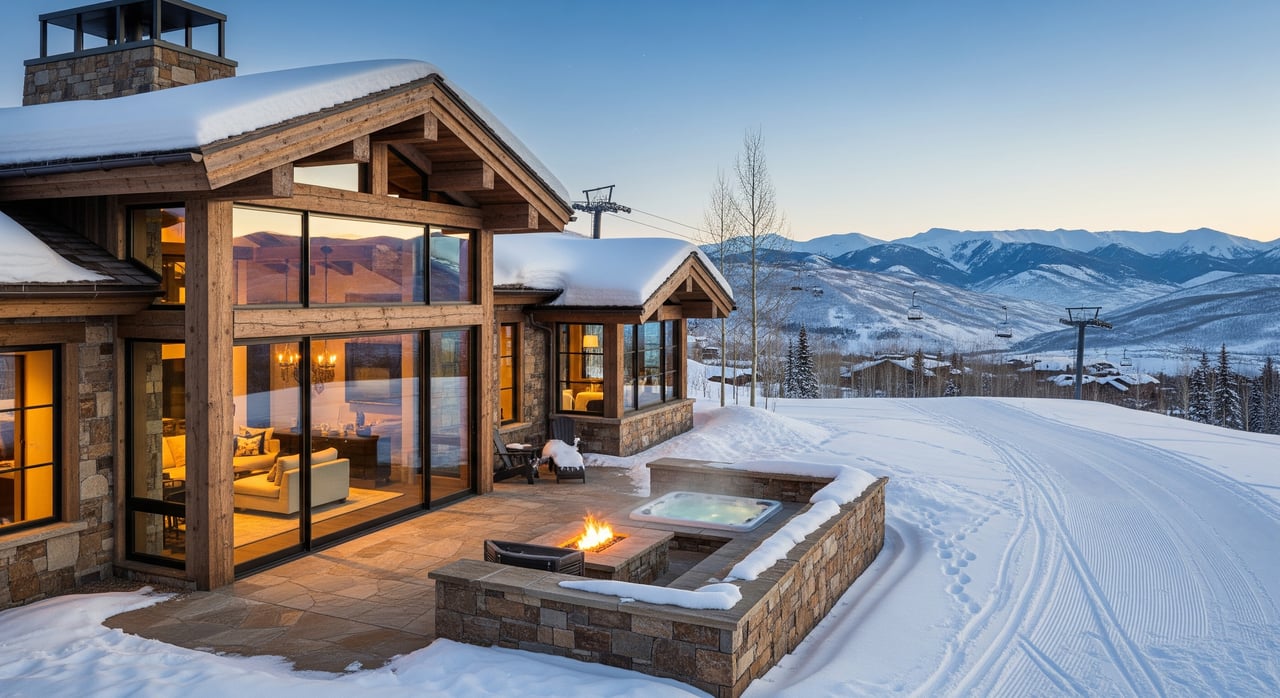
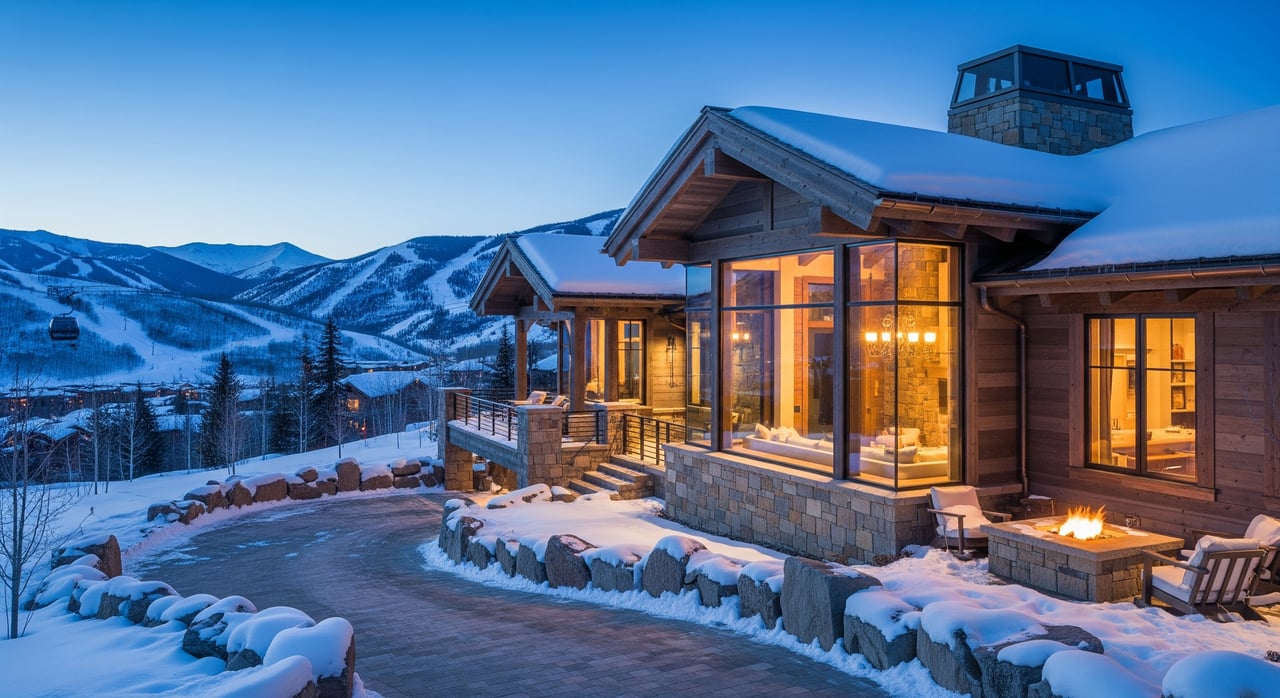
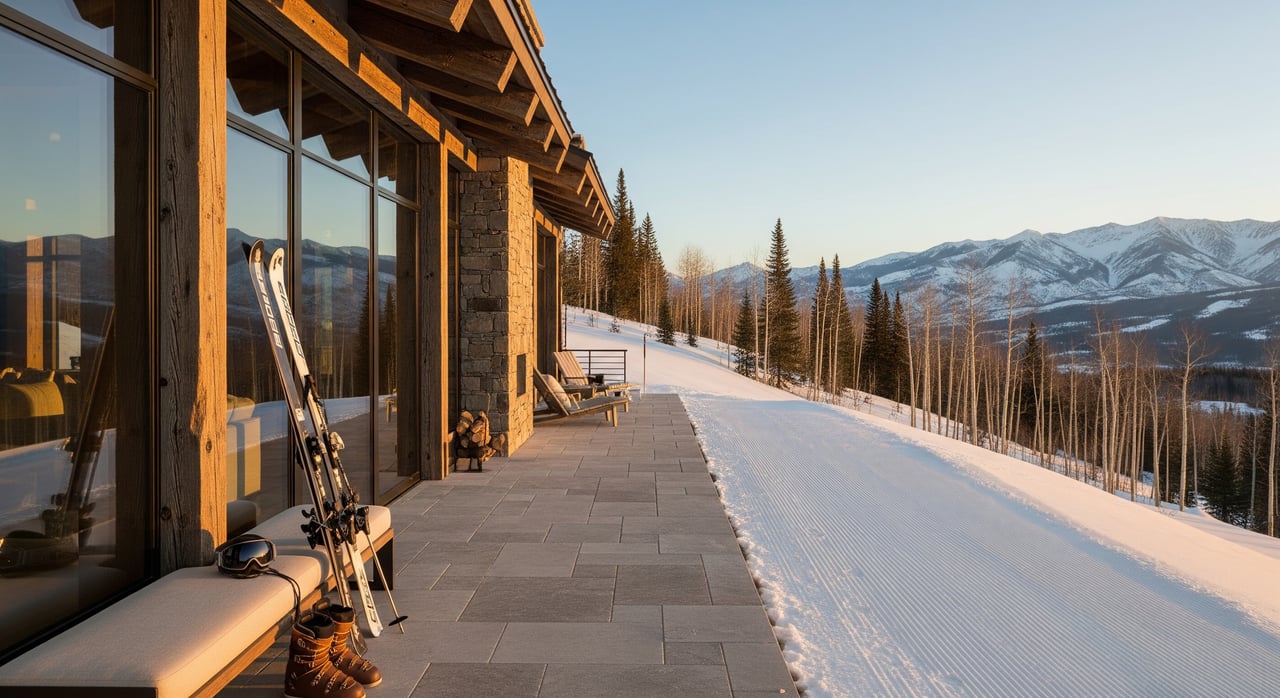
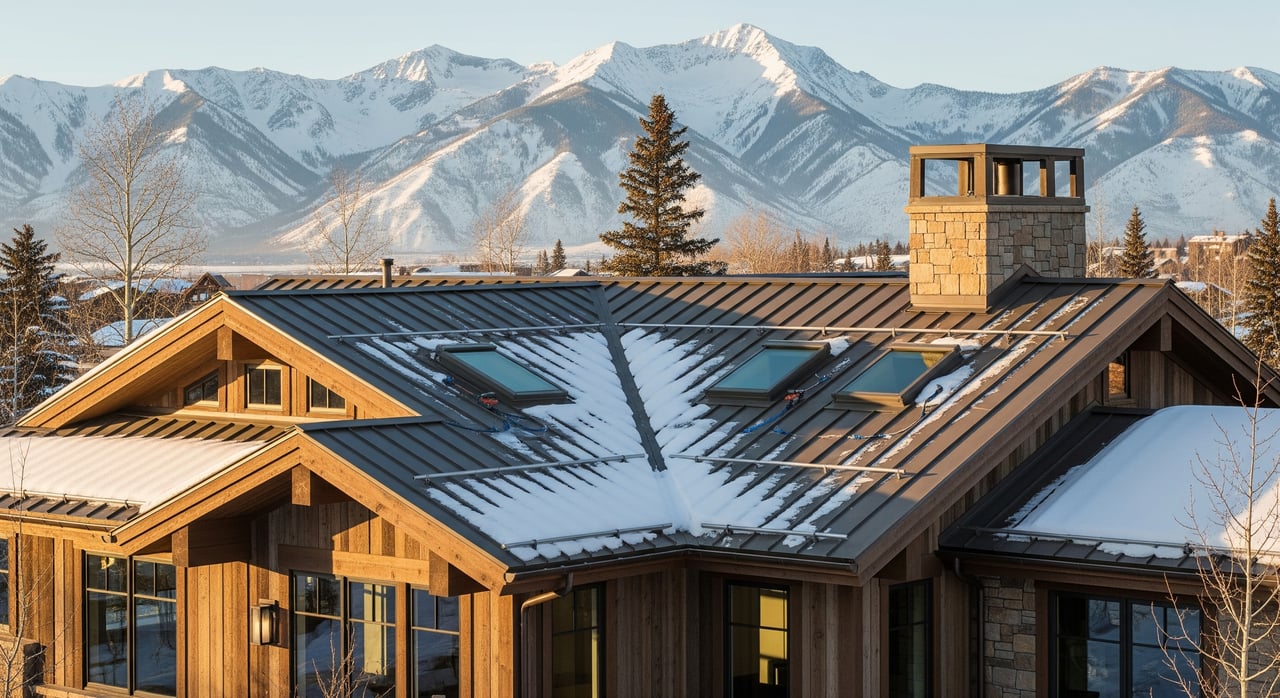
Are you trying to time a Park City move around ski season? You’re not alone. Winter brings crowds, higher short‑term rental rates, and a different mix of buyers, which all affect what hits the market and how fast it sells. In this guide, you’ll learn how ski season shapes inventory, pricing, and timelines so you can plan your next step with confidence. Let’s dive in.
Ski season timeline in Park City
Ski season typically runs from late November through early April, with exact dates shifting based on snowfall and resort calendars. Inside that window, the busiest demand pulses usually land around late December and New Year’s week, late January during Sundance, Presidents’ week in February, and spring break weeks in March.
Summer and early fall are considered off‑peak for ski tourism. Park City still sees visitors in warm months, but the buyer mix and seller behavior change compared with winter.
Why inventory tightens in winter
Inventory often feels tighter just before and during core ski weeks. Several factors drive this pattern:
- Many owners use their places in winter or rent them at premium holiday rates, so they delay listing until after the season.
- Some sellers temporarily pull active listings during peak rental weeks to capture revenue.
- Major events and holidays push lodging occupancy toward full, which reduces the number of units available to show and increases competition for anything on the market.
- The winter buyer pool skews toward second‑home and investor buyers who are in town and ready to act.
The result is fewer choices during peak weeks, plus a lift in urgency for well‑located, rental‑capable properties near the resorts.
Prices and days on market in season
When demand jumps and inventory is tight, you tend to see quicker sales and firmer pricing for listings that align with ski‑season priorities. Here is what to expect:
- Active listings: often lower during holiday and festival weeks.
- New listings: can slow during peak weeks, then rise late spring into summer.
- Days on market: shorter for desirable winter‑oriented properties; longer during off‑peak months.
- Pricing: upward pressure is most visible for condos and properties that work well for short‑term rental use or are close to the lifts. Homes not positioned for rental or holiday guests may see less seasonal volatility.
Exact swings vary by year based on weather, broader housing trends, interest rates, and local rules. Use current local data to gauge the magnitude in any given season.
Best timing: buyers and sellers
For buyers: when to shop
- Want more choices? Late spring through summer typically brings the largest new‑listing flow.
- Want to use a place this season? Start in early fall or early winter, expect tighter supply, and be ready to move quickly.
For buyers: how to compete during peak weeks
- Get pre‑approved or have proof of funds so you can write fast.
- Consider stronger terms like an escalation clause or larger earnest money, while balancing risk.
- Offer flexible possession, such as a rent‑back until after ski season, to match a seller’s plans.
- Limit non‑essential contingencies while protecting key items like inspections.
- Lean on local knowledge about resort neighborhoods and short‑term rental realities.
Financing for second homes and rentals
Lenders treat second homes and investment properties differently. You may see stricter reserve requirements and larger down payments. Build in extra time for underwriting if you expect a compressed winter timeline.
For sellers: when to list
- To tap in‑season urgency: Listing in late fall or early winter can capture buyers who want occupancy for the upcoming season. Inventory is often tighter, and buyers may focus on rental‑capable units.
- To maximize exposure: Listing post‑season in late spring or summer usually brings more total showings as new listings rise.
For sellers: pricing and terms that work
- Price competitively. Even in peak windows, overpriced listings can stall if buyers do not see clear value.
- If legally rentable, highlight verified short‑term rental performance or compliance, and include documentation.
- Consider concessions that fit seasonal use, like a rent‑back or delayed possession.
Winter showings and inspections
Mountain weather affects logistics. Plan for:
- Road or weather delays that impact showings and contractor access.
- Shorter daylight windows and event schedules that compress showing times.
- Inspection focus on winter systems: heating, insulation, plumbing, and roof condition. Adding a few buffer days into timelines can prevent last‑minute stress.
Regulations that affect your plan
Short‑term rental rules vary by municipality and neighborhood. Some properties permit nightly rentals, while others restrict them through city code or HOA documents. If you plan on rental income, confirm permits, licensing, and taxes before you base an offer on projected revenue. HOA rules may also set seasonal or minimum‑stay limits.
What to watch: local metrics
If you want to read the market like a local, track these indicators throughout the season:
- Active inventory and new listings month over month.
- Median days on market and sale‑to‑list price ratio.
- Median and average sale prices, and price per square foot by submarket.
- Short‑term rental occupancy and average daily rate around peak weeks like Christmas, Sundance, and Presidents’ week.
- The share of listings that are legally eligible for short‑term rentals.
Local boards and MLS reports can provide up‑to‑date housing numbers, while short‑term rental analytics show weekly demand spikes that often align with price and DOM shifts.
Make ski season work for you
Ski season changes the rhythm of Park City real estate. Inventory usually tightens during holiday and festival weeks, and well‑located, rental‑friendly properties can move fast. If you want maximum choice, lean into late spring and summer. If you want in‑season use, prepare your financing and terms early and move decisively.
If you are weighing timing, pricing, or rental potential, let’s map your plan around the calendar that drives this market. Reach out to Randi Thompson to align your goals with the season and get timely access to Park City inventory.
FAQs
When is Park City inventory typically largest?
- You will usually see the most new listings after the winter rush, with late spring through summer offering the broadest selection. Check current MLS reports for this year’s trend.
Is it harder to buy during ski season in Park City?
- Yes, it can be. Listings that fit winter demand often sell faster and with more competition, so pre‑approval and quick decision‑making are essential.
When do Park City sellers get the best prices?
- Strong results can come from listing in late fall or early winter to capture in‑season buyers, or after the season when buyer traffic is broad. The “best” timing depends on your goals.
How do Sundance and holiday weeks affect pricing and DOM?
- These weeks raise short‑term rental revenue potential and bring more motivated buyers, which can tighten supply and shorten days on market for the right properties.
How do I judge a list price that cites rental income?
- Verify short‑term rental eligibility, compare actual or third‑party performance data, and translate revenue into cash‑flow or cap‑rate estimates using local comps.
What winter issues can slow a Park City closing?
- Snow and road conditions, contractor availability, and scheduling around events can extend timelines. Build in buffer days for inspections, appraisal, and repairs.