Snow is falling, visitors are arriving, and you may be wondering if this is your moment to sell in Park City. You want a smart plan that makes the most of ski-season demand without risking a stale listing. In this guide, you’ll get clear pros and cons, pricing strategy in a tight-inventory resort market, and a practical, snow‑ready prep checklist to help you decide with confidence. Let’s dive in.
Winter market dynamics in Park City
Park City is a resort and second‑home market where seasonality matters. Ski season concentrates serious buyers in town, including out‑of‑area second‑home shoppers and investors looking for rental‑permitted properties. Even if overall showings are fewer than spring, demand per active listing can be strong when inventory is tight.
Holiday weeks, long weekends, and January’s festival calendar often create short bursts of inquiries. Properties that highlight ski access, views, and rental potential tend to benefit most from listing during winter.
Who should list now
If your property checks several of these boxes, winter can be a strong window:
- Ski-in/ski-out or walkable to lifts or shuttle routes.
- Legal short‑term rental potential with documented rental history.
- Turnkey condition with tasteful furnishings available.
- Desirable winter amenities such as heated driveway, mudroom, hot tub, or gear storage.
If your home needs exterior refreshes or landscaping that show better in dry months, you may get more value by preparing now and targeting spring.
Pricing strategy in tight inventory
In a tight market, pricing is your most important lever. Your goal is to create credible demand quickly while protecting your net proceeds.
- Use fresh, hyperlocal comps and a current CMA. Winter behavior can differ from spring, so lean on the most recent nearby sales and pendings.
- Consider a calibrated list price. For well‑prepared, unique resort properties, a firmer price supported by comps and features may perform well. For broader‑appeal homes, pricing at or just above recent sales can spark activity and potential multiple offers.
- Prepare for appraisal gaps. If you expect competitive bids above recent comps, assemble a strong comp package and consider a pre‑listing appraisal.
- Decide your negotiation levers in advance. Be clear on preferred terms beyond price: financing strength, inspection timeline, earnest money, and flexibility on close date, rent‑back, or furnished sale.
- Keep rate sensitivity in mind. When mortgage rates are elevated, some buyers are more price‑conscious even if inventory is thin. Strong presentation and an evidence‑based price help you hold the line.
Winter prep checklist: exterior
First impressions in snow require planning. Use this checklist before photos and showings:
- Snow removal plan: Arrange prompt clearing for driveway, walkways, stairs, and decks before every showing and photo session.
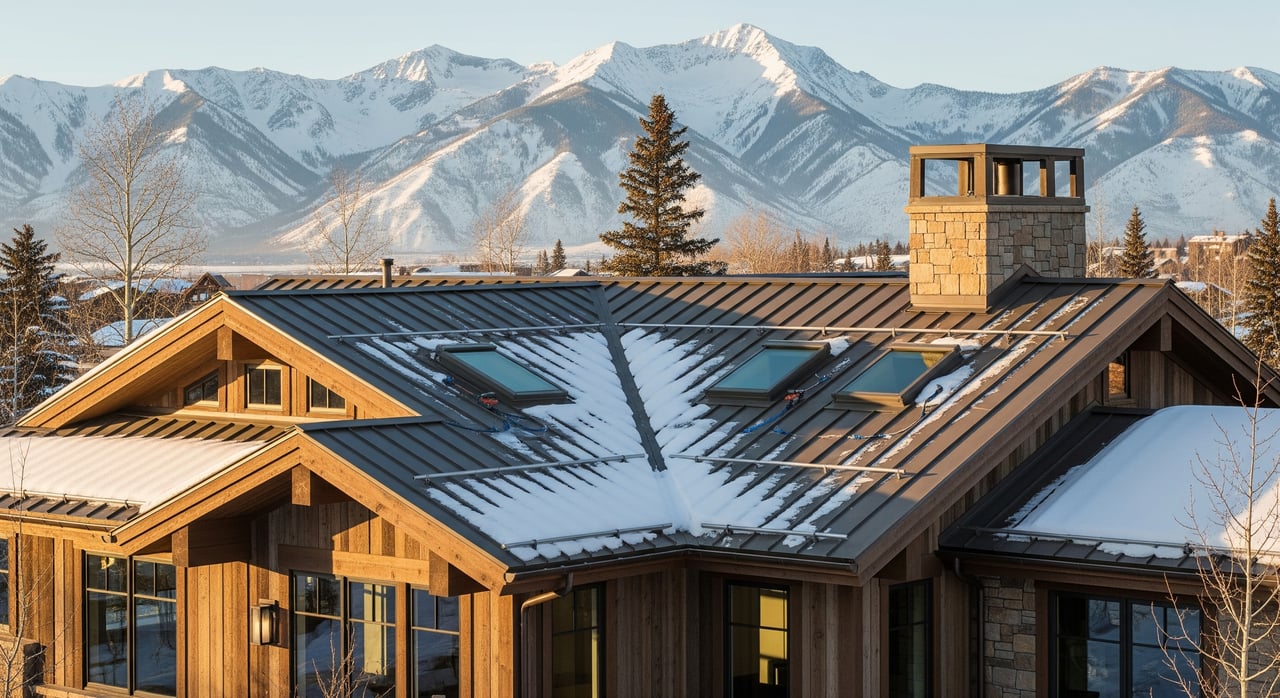
- Roof and drainage: Inspect for ice dams, clean gutters, and address visible damage. Document recent maintenance.
- Driveway and parking: Ensure safe, clearly marked parking. Add temporary signs if access is not obvious.
- Lighting: Test and add exterior lighting for short winter days. Schedule twilight photos to showcase warmth.
- Entry area: Use non‑slip mats and add a sturdy boot tray or bench for wet gear.
Winter prep checklist: interior
A warm, clean, well‑lit interior helps buyers imagine life here in winter.
- Heating systems: Service furnace or heat pump, test hot water, and set a comfortable thermostat for showings.
- Mudroom management: Declutter coat hooks and gear storage so the space looks functional and spacious.
- Seasonal staging: Add cozy accents like throws and layered rugs; avoid heavy holiday‑specific decor that dates photos.
- Lighting and photography: Maximize natural light, replace dim bulbs, and schedule photos on a clear day or at twilight to prevent dark images.
- Odor control: Clean fireplaces, manage humidity, and address any musty or fuel odors before listing.
Marketing and showings in snowy weather
Target how winter buyers actually shop and tour:
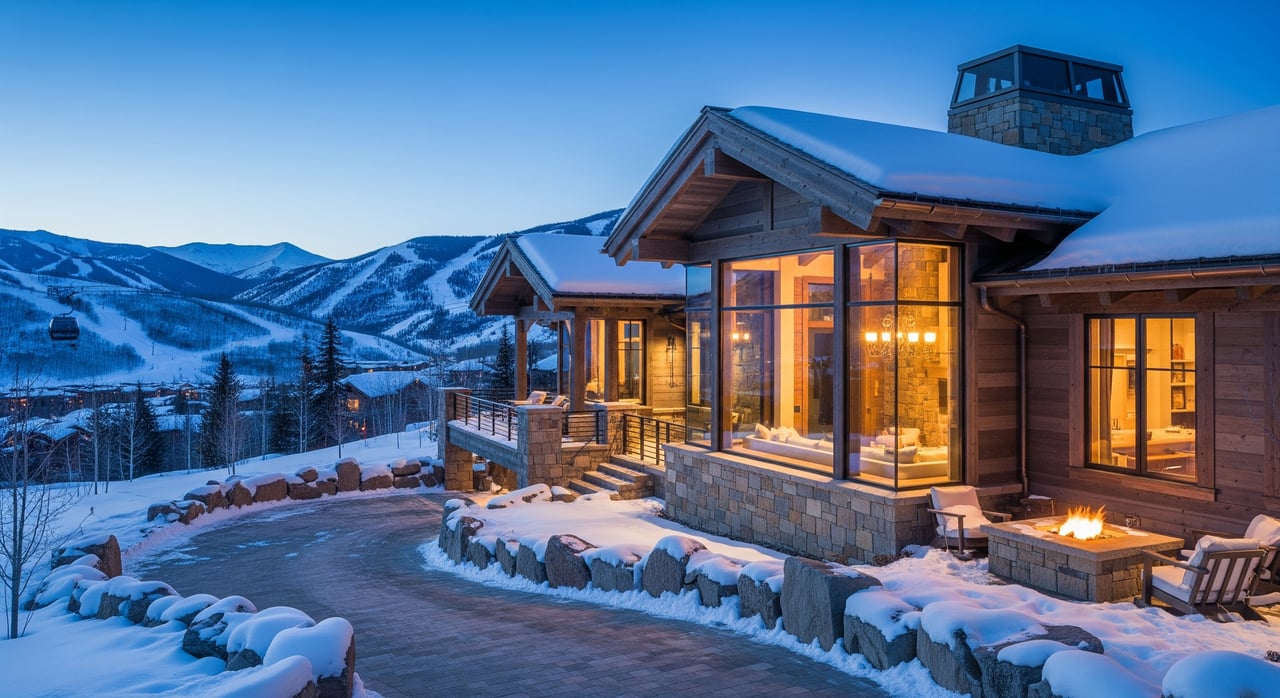
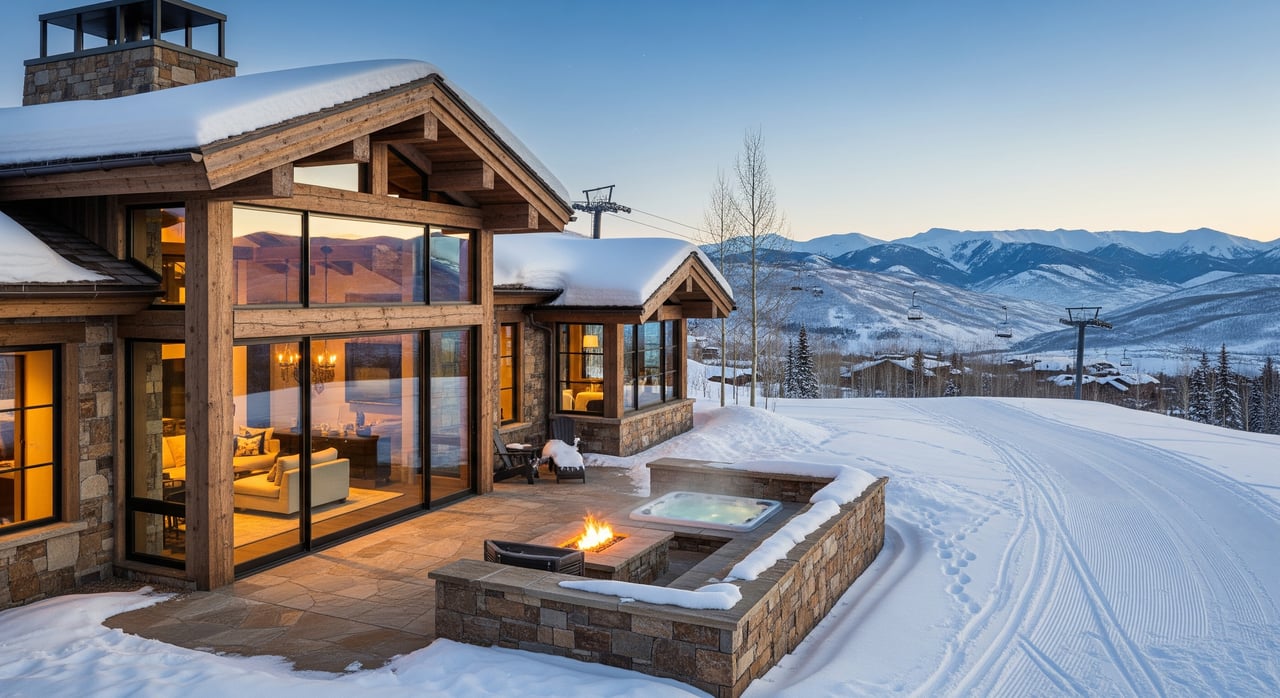
- Feature winter advantages: Proximity to lifts and shuttles, heated driveways, hot tub, mudroom, gear storage, and mountain views.
- Add virtual tours and floor plans: Help out‑of‑town buyers shortlist with confidence and reduce unnecessary showings.
- Offer flexible showing windows: Visitors on ski trips often tour evenings and weekends.
- Prepare an information packet: Include HOA rules, parking details, any short‑term rental documentation, recent maintenance, utility costs, and snow‑removal responsibilities.
- Photograph function: Show cleared walkways, the mudroom, heated garage, and utility spaces buyers value in winter.
Tip: Keep a simple log of snow/ice removal and consider temporary “watch your step” signs during storms to reduce slip‑and‑fall risk and follow HOA guidance.
Pros and cons of a winter listing
Here is a quick, balanced view to guide your timing decision.
Pros
- Access to motivated ski‑season buyers and investors already in market.
- Reduced competition if other sellers wait for spring.
- Stronger story for ski‑adjacent and turnkey rental properties.
- Potential for faster decisions and closings from in‑town visitors.
Cons
- Lower overall showing volume than spring.
- Curb appeal is harder to showcase when landscaping is under snow.
- Seasonal buyers often prefer rental‑ready or move‑in‑ready properties.
- Weather can complicate access and scheduling around holidays.
Decision checklist: list now or wait
Use these questions to clarify your best move:
- Does your property benefit from ski‑season exposure, such as lift access or proven rental history?
- Is the home winter‑ready with reliable heating and easy, safe access?
- Do you prefer a quicker sale or are you comfortable waiting for broader spring traffic?
- Do current comps support your price today?
- Are you prepared for snow logistics and higher‑intensity show schedules during peak weeks?
If you answered yes to most of the above, listing this winter is worth strong consideration. If exterior projects or landscaping are central to your home’s appeal, use winter to prep and target spring.
What to ask your agent
Bring these topics to your listing consult:
- Which recent winter comps best support my price by neighborhood and property type?
- How will we time photography and launch around holiday weeks and major events?
- What is our plan for snow removal, access, and safe parking at every showing?
- How will we package rental history and STR compliance, if applicable?
- What terms, beyond price, should we prioritize in multiple‑offer scenarios?
- Should we consider a pre‑listing inspection or appraisal for speed and certainty?
A simple path forward
You do not have to guess. A focused winter strategy, strong visuals, and clear pricing can unlock serious ski‑season buyers while minimizing hassle. If you are on the fence, start with a winter valuation, a quick read on neighborhood inventory, and a customized prep plan. That gives you options: launch now, test the waters with pre‑marketing, or fine‑tune for a spring debut.
If you’re considering a winter listing, I can provide a current, no‑cost market valuation using the Park City MLS and recent winter comps, plus a winter‑ready marketing plan and checklist. I will also confirm any STR and HOA considerations for your property. Reach out to Randi Thompson to get started.
FAQs
Will I get fewer showings in winter in Park City?
- Often yes, but ski‑season visitors and second‑home buyers tend to be more decisive, so demand per listing can still be strong with the right marketing.
Does snow hurt my sale price in Park City?
- Snow can hide landscaping, but it also highlights winter features; with cozy staging and smart photos, well‑presented homes perform competitively.
Should I remove holiday decor before showings?
- Keep decor seasonally neutral and minimal so photos feel timeless and buyers focus on the property, not the season.
Are appraisals harder during winter months?
- Finding very recent comps can be trickier in some micro‑markets; prepare a strong comp package and consider a pre‑listing appraisal if pricing above recent sales.
How do short‑term rental rules affect my price?
- Properties that can legally operate as short‑term rentals often carry added value for investors; confirm permits and HOA rules before advertising rental potential.